Fire Sprinkler System Service

Wet, Dry, Pre-Action, Deluge

Ensuring Maximum Protection & Compliance for Your Facility   

inspection-testing

Certified Testing & Inspections

State Licensed Technicians

repairs icon

Repairs & Maintenance

Expert Backflow Repair Services

safety 2

Compliance & Safety

Protecting Your Water System

emergency2

Emergency Response

24-7 Protection

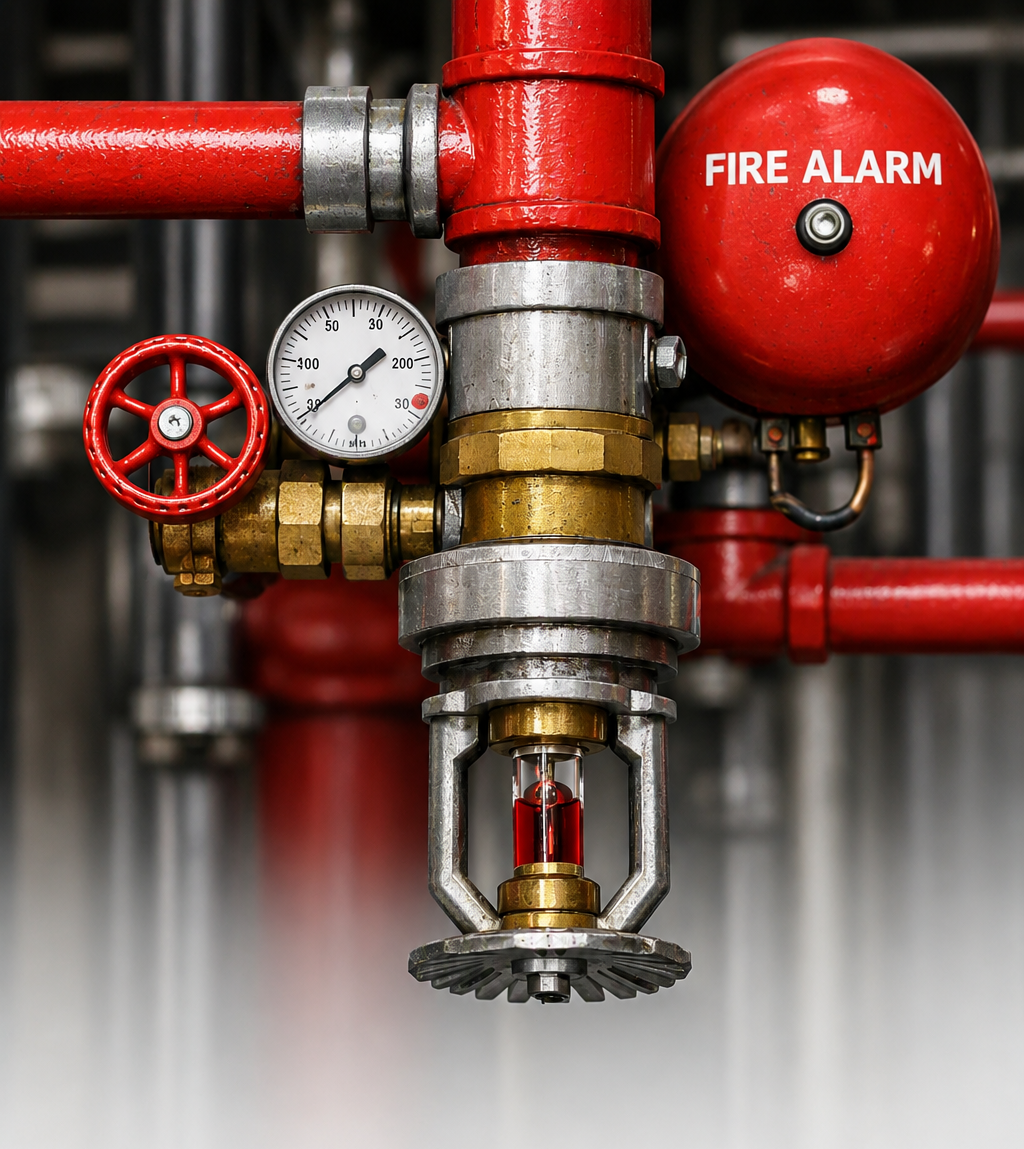
Fire Sprinkler Systems

Comprehensive Protection (Wet, Dry, Pre-Action, Deluge)

A&M Fire Protection provides comprehensive inspection, testing, maintenance, and service for fire sprinkler systems, including Wet, Dry, Pre-Action, and Deluge systems. Our experienced technicians help ensure your existing fire protection system remains reliable, functional, and ready to perform when it matters most.

We work with a wide range of commercial and industrial properties to identify system deficiencies, perform required testing and maintenance, troubleshoot issues, and address repairs that can affect system performance or compliance.

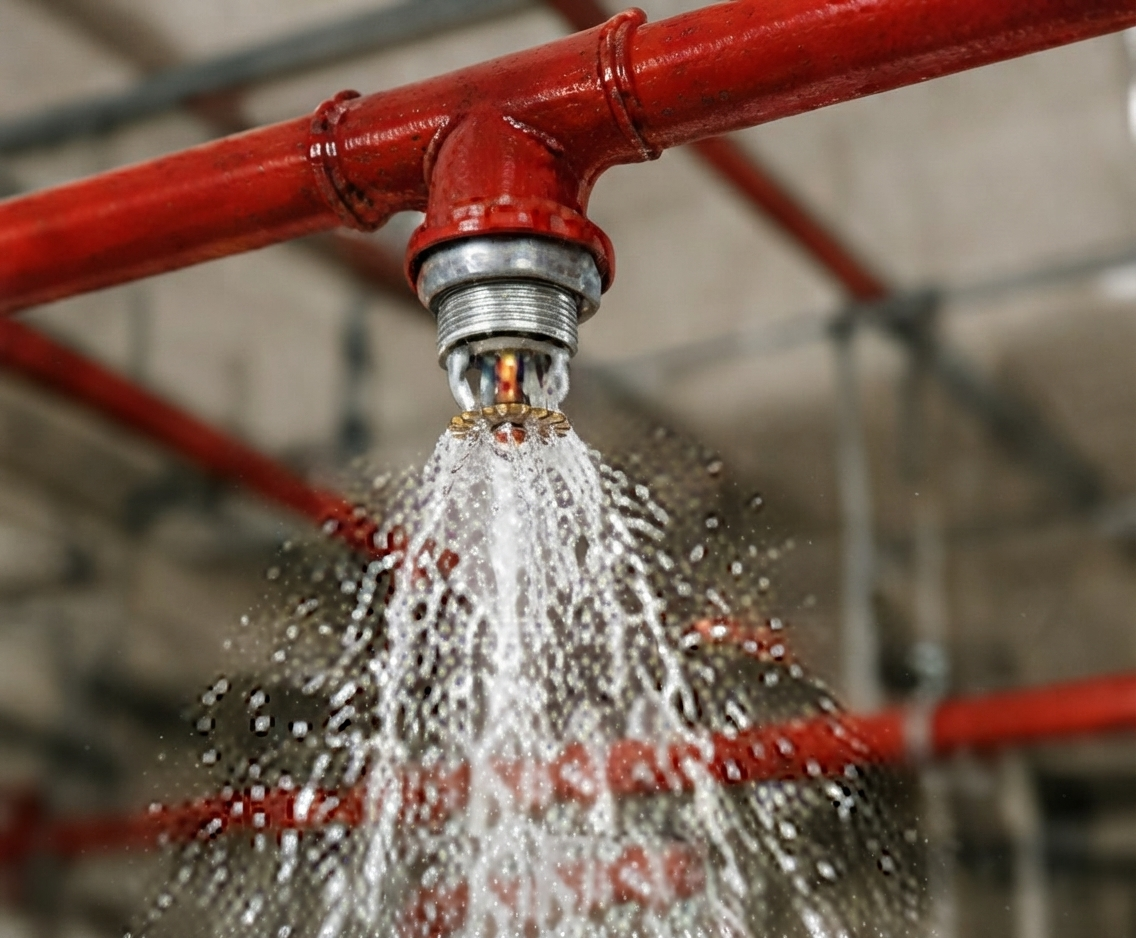
sprinkler head on ceiling

Wet Systems

Permanently filled with water, and ready to respond immediately when heat from a fire activates the sprinkle. 

Dry Systems

Filled with pressurized air or nitrogen. Water enters the system only when a fire trips the sprinkler and opens the valve. 
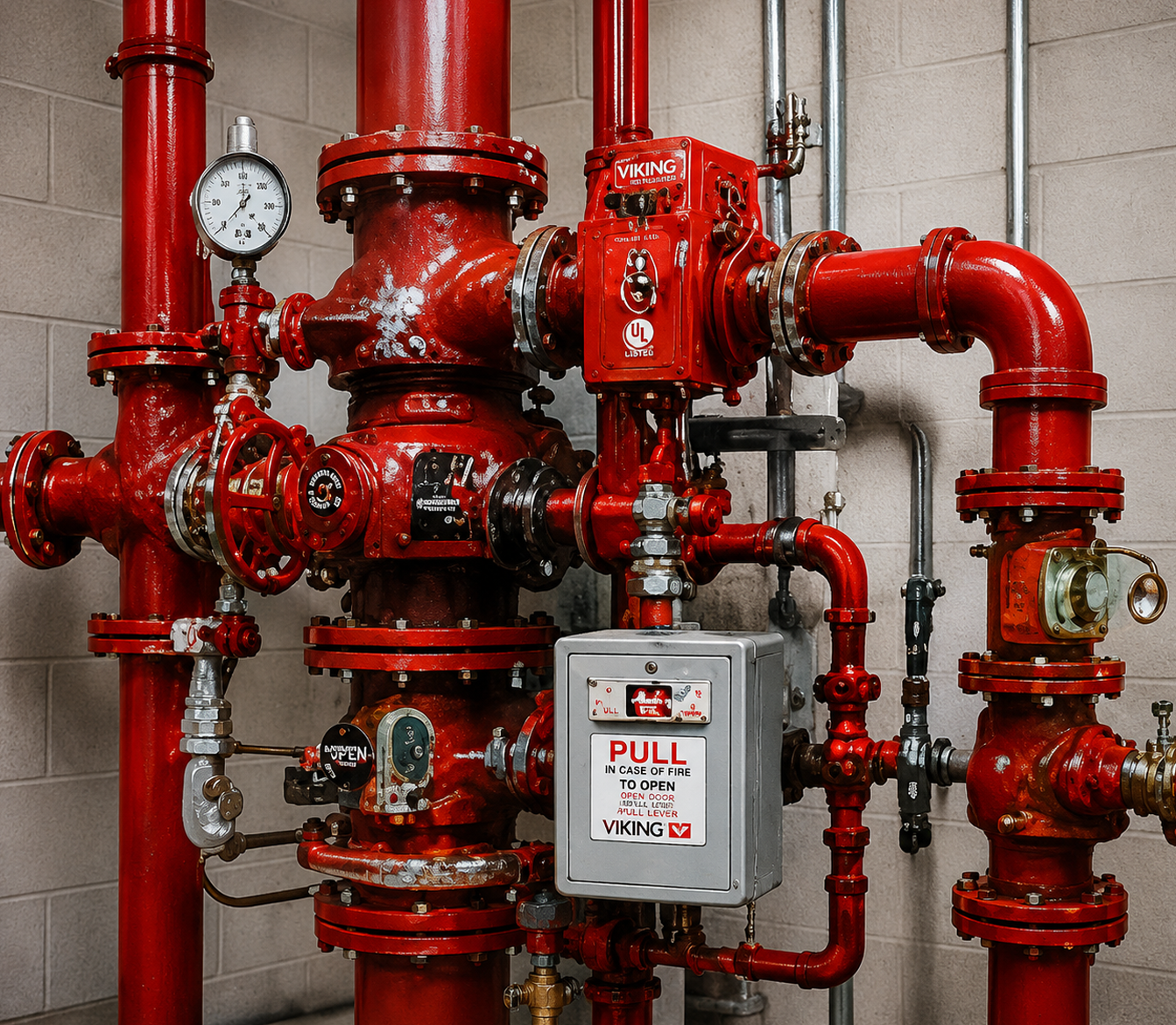
Pre-Action Systems

Combines the benefits of dry and wet systems to reduce false alarms in sensitive environments. 
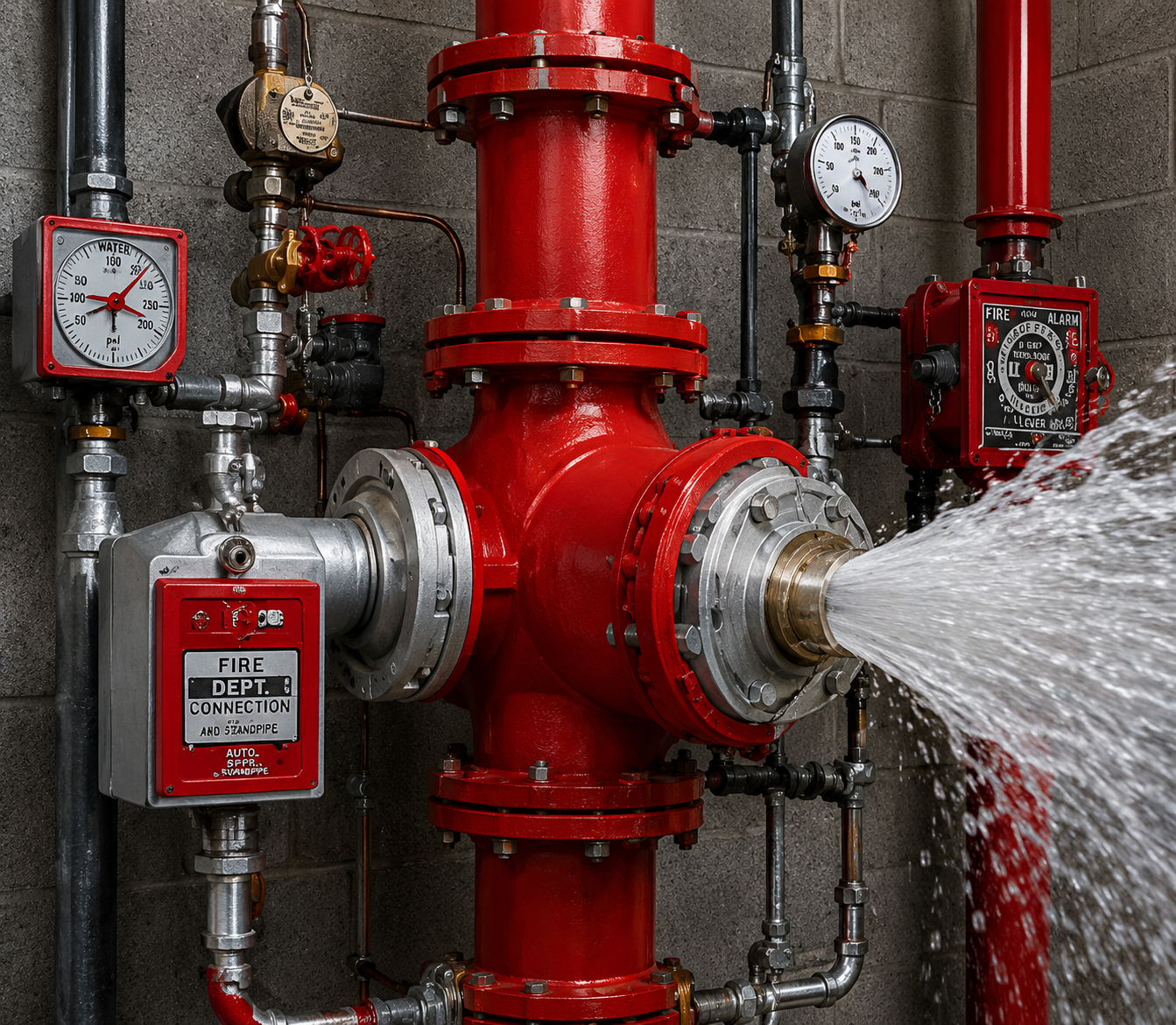
Deluge Systems

Designed for high-hazard occupancies where water is discharged from open sprinklers or nozzles simultaneously.  
Complete NFPA 25 Sprinkler Inspections & Compliance

Reliable Quarterly, Annual, and 5-Year Service Plans to Keep Your Property Safe, Certified, and Fully Protected

At A&M Fire Protection, we take the hassle and complexity out of fire code compliance across the Bay Area. Fire sprinkler systems are your building’s first line of defense, but they require precise, recurring maintenance to ensure they perform when it matters most. From routine quarterly alarm checks to comprehensive annual physical audits and deep 5-year internal pipe inspections, our certified technicians deliver rigorous testing, detailed digital reporting, and 24/7 emergency support—keeping your facility fully compliant with NFPA 25 standards and ready for any local fire marshal or insurance audit.

Quarterly Inspection & Routine Testing

Control Valve Inspection
Water Pressure Gauge Check
Waterflow Alarm Device Testing
Main Drain Test
Hydraulic Nameplate
Digital Quarterly Compliance Report outlining static/residual pressure readings, drain recovery times, and any immediate operational deficiencies.

Comprehensive Annual Inspection & Physical Audit

Floor-by-Floor Visual Walkthrough
Sprinkler Head Clearance Audit
Spare Sprinkler Stock Inventory
Dry Pipe & Pre-Action Trip Testing
Antifreeze Solution Testing
Fire Pump Annual Flow Test
Certified Annual NFPA 25 Inspection Report for local fire department (AHJ) submission, fire marshal clearance, and insurance underwriting.

5-Year Heavy Maintenance & Internal Obstruction Testing

Internal Pipe Inspection
Backflow Preventer Flow Testing
Hydrostatic Pressure Testing
Gauge Replacement / Recalibration
Deluge & Pre-Action Valve Internals
Master 5-Year Structural Integrity & Internal Inspection Report detailing pipe condition, internal findings, and long-term asset management recommendations.

FAQ's

1. System Basics & How Sprinklers Work

Do all sprinkler heads set off at the same time if a fire starts?

No. Contrary to movie tropes, fire sprinklers do not all activate at once. Each sprinkler head is individually triggered by heat (typically between 135°F and 165°F). In roughly 90% of fires, only one or two sprinkler heads are needed to control or extinguish the blaze.

What is the difference between wet pipe, dry pipe, and pre-action sprinkler systems?
  • Wet Pipe Systems: The most common type. Pipes are constantly filled with pressurized water for immediate discharge when a head opens.

  • Dry Pipe Systems: Pipes contain pressurized air or nitrogen instead of water. Water enters the pipe only after a head activates. These are used in unheated areas (like parking garages or loading docks) to prevent freezing.

  • Pre-Action Systems: Require a two-step activation (e.g., a heat/smoke detector must trip and a sprinkler head must open) before water flows. Ideal for sensitive environments like data centers, museums, and laboratories.

2. Inspections, Testing & Compliance

How often does my fire sprinkler system need to be inspected?

According to NFPA 25 (the standard for inspection, testing, and maintenance of water-based fire protection systems) and local fire codes:

  • Quarterly: Visual checks of control valves, water pressure gauges, and flow switches.

  • Annually: Complete physical inspection of all heads, piping, hangers, main drain tests, and alarm devices.

  • 5-Year Test: Internal pipe inspection for obstruction, backflow preventer testing, and hydrostatic testing.

Will our business operations be disrupted during a routine inspection?

Minimal disruption occurs during testing. Main drain tests and alarm flow tests take only a few minutes. We coordinate with your team in advance to schedule alarm sounding during off-peak hours or bypass local monitoring during testing.

What happens if our system fails an inspection or receives a violation?

We provide a detailed digital report highlighting non-compliant items, categorized by severity (Deficiency vs. Impairment). We will outline the corrective actions needed and provide an upfront quote for repairs to restore full compliance immediately.

3. Maintenance, Repairs & Troubleshooting

What should I do if a sprinkler pipe freezes or leaks?
  • Locate your Main Control Valve and shut off the water supply to the sprinkler system.

  • Contact our 24/7 emergency dispatch line immediately.

  • Do not attempt to thaw frozen pipes with open flames or torches.

Why is my sprinkler system making a ringing or alarms sounding when there is no fire?

False water-flow alarms are usually caused by municipal water pressure surges, air trapped in wet pipe systems, or faulty flow switches. Our technicians can install surge retarders or bleed trapped air to prevent false alarms.

Can I paint over my fire sprinkler heads during building renovations?

Never paint sprinkler heads. Paint can seal the thermal bulb or cover the deflector, preventing the head from activating during a fire. Painted heads must be replaced per NFPA guidelines.

4. Service Plans & Emergency Support

Do you offer 24/7 emergency repair services?

Yes. Fire system impairments cannot wait. We maintain an on-call team of certified fire protection technicians available 24/7/365 for emergency leak repairs, system resets, and main valve shut-offs.

What are the benefits of signing a recurring Service & Maintenance Agreement?

A maintenance agreement ensures:

  • Automated scheduling so you never miss a required NFPA compliance deadline.

  • Priority emergency response times.

  • Discounted rates on service calls and replacement parts.

  • Digital documentation stored securely for your Authority Having Jurisdiction (AHJ) or insurance audits.

Schedule Your Fire Sprinkler Inspection Today

Ready to Secure Your System & Stay NFPA 25 Compliant?

  • Fully Licensed
  • 100% Customer Satisfaction
  • Customizable Solutions to Fit Your Schedule
  • Friendly & Professional Team
  • 24/7 Emergancy Support
  • Personalized Consultations to Address Your Needs
  • Commercial, Government, Manufacturing & Industrial Solutions
Gemini_Generated_Image_nne7denne7denne7